Pain is hardly ever basic. It drifts throughout tissue, nerve system, cognition, and context. Physio therapists sit at the crossroads of all of it, asked to alleviate pain while restoring feature under time pressure and complex restrictions. The very best pain monitoring courses do not distribute a bag of techniques. They sharpen clinical thinking, grow expertise of systems, and refine hand-operated skills and modality options so you can meet the specific individual in front of you. This overview goes through just how strong training programs are constructed, where hands-on treatment and methods genuinely fit, and how to choose a program pathway that matches your caseload, setup, and scope.
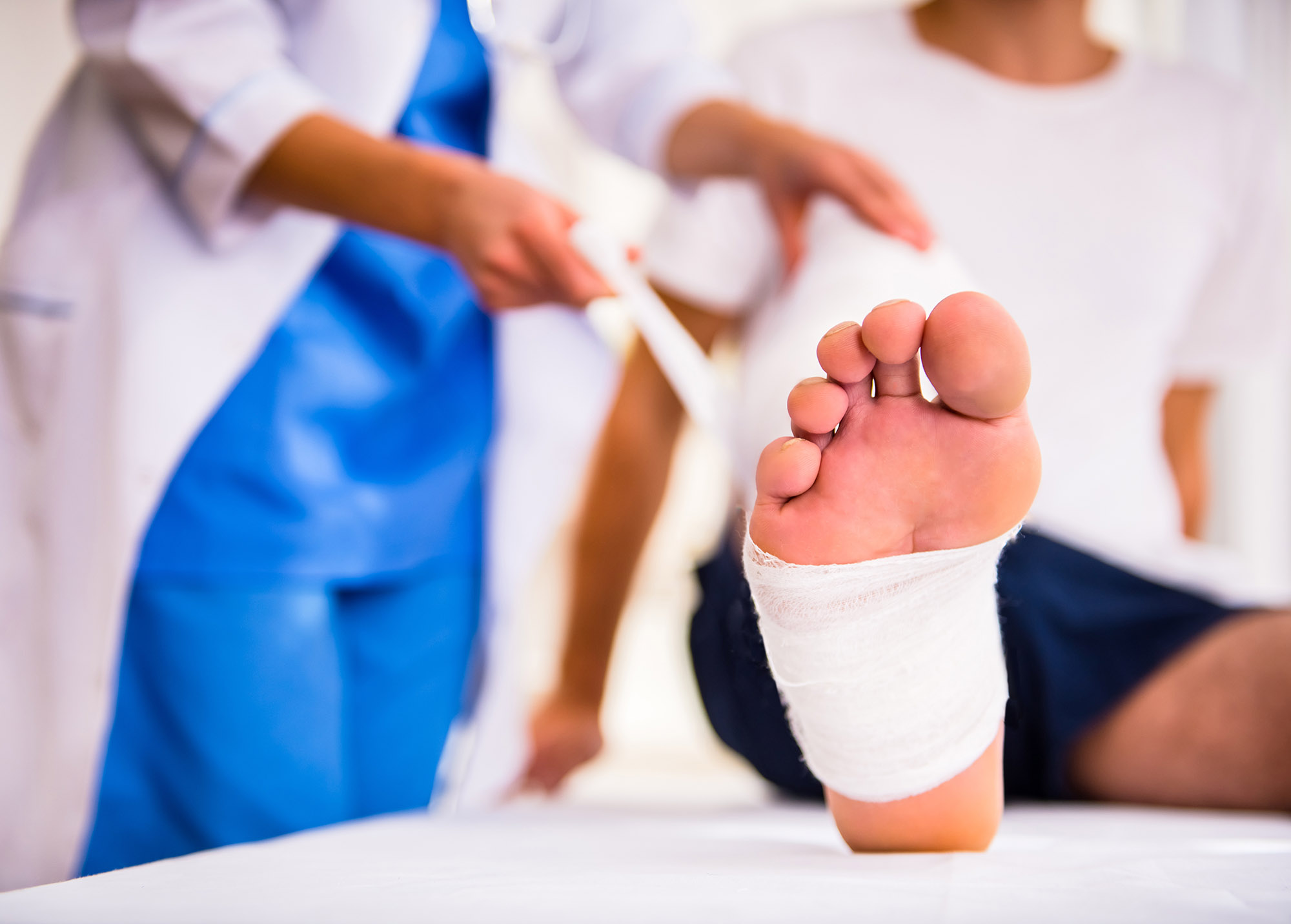
Where discomfort training satisfies practice
A brand-new graduate often gets to their initial musculoskeletal facility with certain palpation abilities and a collection of exercises. Within months the outliers show up. A 42‑year‑old roofer with consistent shoulder discomfort despite a best cuff method. A marathoner whose hamstring discomfort flares long after the tear has healed. A registered nurse who can not drink reduced pain in the back after a minor lifting incident, currently made complex by exhaustion and bad sleep. These situations are not failures of the specialist or the client. They are signals that discomfort is not only a tissue issue. Pain management courses for physiotherapists fill the space between conventional rehab and the useful realities of nociplastic discomfort, central sensitization, and changing psychosocial loads.
When individuals ask which discomfort management course to take, they normally indicate two points. They want far better hands, and they desire smarter decisions. The answer is a curriculum that appreciates both.
Manual treatment's function today
Manual therapy continues to be a staple, but many seasoned medical professionals recalibrate their expectations with time. It is less regarding dealing with a sore and more about regulating the system. Joint strategies can recover resistance to motion. Soft cells methods can reduce safety tone. Nerve gliding can desensitize inflamed user interfaces. None of it remedies neck and back pain in one session, and none of it is ineffective. The technique is adjusting dosage and intent, after that coupling hand-operated input with activity and education.
A solid manual‑focused discomfort administration program reveals you:
- How to make use of hand-operated input as a short‑term window to make it possible for rated direct exposure, not as a standalone cure. How to choose strategies matched to sign actions and device: high irritability obtains mild, non‑provocative application; reduced irritability tolerates much more certain filling and mobilization. How to communicate concerning hand-operated treatment without reinforcing delicacy: discuss comfort and motion gain, not "putting things back in place."
In technique, I commonly run a basic experiment during the initial session. Use a low‑dose strategy, after that quickly retest the person's purposeful job, like sit‑to‑stand, reach, or step‑down. If pain decreases or self-confidence increases, we bank the gain with 2 minutes of motion in that brand-new window. If nothing adjustments, fine, we go on. Manual inputs are levers, not magic.
Modalities without the myth
Electrotherapy, laser, shockwave, ultrasound, warmth, and cold each have advocates and movie critics. In pain management training, the sober center path is best. Ask three questions. Does this technique have at the very least moderate proof for this problem or mechanism? Will it open a window to movement or function? What opportunity expense does it introduce in time or money?
Take TENS. Analgesic results are actual for some people, particularly for short‑term relief in severe flares, uncomfortable procedures, or when medicine is limited. It works through segmental restraint and descending inflection. But the result fades when it stops, and the size varies. Shockwave has a function in stubborn tendinopathies if loading has plateaued and the patient comprehends that it is an accessory, not the major occasion. Restorative ultrasound stays low value for a lot of MSK pain, with exemptions in targeted bone recovery procedures where tool and parameters issue. Heat is underrated for high‑guard states and rest prep work. Ice helps with serious irritation and swelling, but it can not outrun load mismanagement.
Courses that deal with methods as tools with trade‑offs, not identity pens, prepare you genuine clinics where time is short and co‑payments are real.
Understanding systems without losing the patient
The language of pain scientific research has actually developed. Nociception differs from pain. Central sensitization can amplify signals even when tissues are healing. Context changes pain gain up or down. Good courses convert these concepts right into clinical moves.
One strategy I instruct is the triad: device hypothesis, impatience, and leading limiter. System asks whether nociceptive motorists, neuropathic attributes, or nociplastic patterns are main. Irritation establishes dose. The dominant limiter recognizes what is choking operate now: worry, rest, deconditioning, inflammatory lots, or a details mechanical limitation. When those 3 are clear, hand-operated options and modalities form instead of dictating the plan.
A quick instance. A 36‑year‑old with posterior thigh pain after a sprint. MRI shows a grade II hamstring strain that is now eight weeks old. She reports stabs when bending to tie footwear, secured gait, and bad sleep. Evaluating discloses reasonable strength yet high level of sensitivity to stretch. System: mainly nociceptive with a sensitized interface. Irritation: moderate. Leading limiter: motion concern plus sensitivity to neurodynamics. Strategy: start with mild hand-operated strategies around the posterior chain to decrease guarding, include slider‑style nerve mobilization, deliver clear education regarding secure discomfort, and start graded filling in mid‑range. Take into consideration short bursts of TENS during the first week to soothe unpleasant tasks. Reassess weekly and taper the modalities as self-confidence rises.
What a well balanced discomfort management educational program covers
Good pain monitoring courses for physiotherapists construct split competence as opposed to a solitary specific niche. A number of elements are non‑negotiable.
- Pain systems and scientific thinking. You should finish able to protect a strategy in ordinary language to a patient and in accurate terms to a colleague. Manual therapy skills with application. Not simply strategies, however when and how to quit, change, or pair with movement. Modality reasonings and parameters. Practical, condition‑specific guidance with clear caveats. Communication and assumptions. Manuscripts and metaphors that de‑threaten without lessening the person's experience. Graded exposure and load design. Running progressions, return‑to‑work ladders, raising build‑ups, and flare‑up protocols. Sleep, stress and anxiety, and activity preparation. Easy bars with outsized impact. Outcome steps that assist change. Use fast devices like discomfort disturbance, rest quality scores, and task‑specific ratings, not simply series of motion.
Programs that weave these styles across case discussions and live laboratories leave you prepared to manage an untidy caseload on Monday morning.
Certificates, short programs, and the alphabet soup
Many physio therapists ask about a pain management certificate or discomfort monitoring certification that signifies depth. The worth relies on your region and employer assumptions. Some health and wellness systems identify organized certificate training course hurting monitoring paths that consist of a capstone and examination. Others care more about profile and end results. Short programs hurting administration are typically the best access point if you desire concentrated abilities without a multi‑month commitment. Weekend break intensives on hand-operated therapy dosing, or two‑day workshops on rated electric motor images and desensitization, can change your method promptly when adhered to by intentional practice.
If your clinic offers severe care, consider emergency discomfort monitoring components. They cover triage of red flags, rapid analgesic techniques that play well with clinical methods, and safe very early mobilization for rib fractures, intense neck discomfort after minor collisions, or low neck and back pain in the ED. The goal is not to replace medicine yet to provide movement‑based analgesia and reduce time to discharge.
Some vocational and first‑aid frameworks include the code PUAEME008. It entails elements of offering discomfort administration in emergency situation setups within specified scope. While developed for emergency action contexts, the mindset rollovers: clear evaluation, very early analgesia methods, risk-free positioning, and measured rise. If your duty includes sideline insurance coverage or community occasion assistance, reviewing PUAEME008 give discomfort administration web content can develop your decision‑making and interprofessional interaction. That claimed, physiotherapists typically count on non‑pharmacological methods unless regional plan and credentialing provide otherwise.
Tailoring for certain populations
The best training courses recognize that different settings alter the playbook.
Sports and high‑performance. Hands-on treatment and methods commonly offer to regulate signs in between training loads. Athletes value time‑efficient changes. A five‑minute peripheral nerve method adhered to by a run technicians pierce can be more convincing than a long lecture on discomfort physiology. Shockwave shows up at the sides for calcific tendinopathy or persistent plantar fasciopathy when packing and education have plateaued.
Spine heavy outpatient centers. Education practices matter greater than any type of device. Educate discomfort irregularity as regular, usage traffic‑light plans to handle flare‑ups, and recommend motion treats. Hand-operated therapy doses are small and constant, after that tapered, while the exercise program escalates from resistance to capability. Warmth and 10s can aid oversleep the very first two weeks.
Pelvic wellness. Pain level of sensitivity, trauma background, and privacy require splendid communication. Manual labor is gentle and consent‑forward. Psychophysiological feedback and breathing patterns are commonly the first modalities, with warm and desensitization workouts as follow‑ups. Programs in this domain name must include interdisciplinary referral pathways.
Neuropathic pain discussions. When the mechanism leans neuropathic, such as post‑surgical nerve pain or radiculopathy without dynamic shortage, hands-on therapy targets user interfaces and protecting while education and learning focuses on nerve health and wellness and blood circulation. Graded exposure blends isometrics, sliders, and targeted cardio work. 10s or scrambler therapy could play puaeme008 provide pain management a role relying on schedule and person preference.
Persistent pain programs. Multidisciplinary training courses shine here. Find out to stage goals by feature, rest, and involvement before pain intensity. Change attention towards values‑based task. Hands-on inputs remain, but you quit chasing complete alleviation and begin gauging purposeful gains.
What to seek when you assess a course
Marketing can be loud. Strip it back to basics. Is the course pragmatic, or is it selling certainty? Do teachers demonstrate professional thinking on unpleasant cases, not just textbook examples? Are dosage and decision rules explicit? Are modality specifications taught alongside discouraging approaches? Will certainly you practice discussions that reduce threat without dismissing pain?
The most beneficial pain management training courses that I have actually seen share three attributes. Initially, they begin with evaluation forms your plan, not an automatic technique. Second, they value time. You entrust to a 30 to 45‑minute analysis layout you can use tomorrow, scalable to 20‑minute follow‑ups. Third, they gather data. You learn to track results that matter to people, like the number of nonstop rest hours or the capability to raise a grandchild, not just levels and millimeters.
Practical manual strategies that hold up
In daily technique, a handful of hand-operated methods continually unlock to activity when utilized with care. Cervical and thoracic mobilizations to improve neck turning and lower headache strength. Lumbar side glides and basic posterior‑anterior mobilizations to feed activity right into a safeguarded back. Hip diversion with activity for stiff hips that restrict gait. Soft cells job around the proximal hamstring to calm a re‑flaring jogger. Outer nerve strategies like ulnar nerve sliders for median arm joint discomfort coupled with grasp and shoulder strength.
Each technique needs a why and a what next. If a thoracic mobilization enhances a shoulder's altitude by 5 degrees and reduces discomfort on https://zionvyka162.wpsuo.com/from-theory-to-method-puaeme008-discomfort-monitoring-training reach, right away capture it with wall surface slides and light lugs. If a hip interruption enables pain‑free sit‑to‑stand, adhere to with pace crouches to develop tolerance.
Using techniques so they offer the plan
It aids to pre‑decide just how you will utilize a technique instead of improvisating in tiredness. For instance, 10s ends up being a short‑term analgesic for jobs that matter: cooking, first walk of the morning, or post‑therapy home practice. Warm becomes a nighttime pre‑sleep routine for clients with high tone. Shockwave shows up just after at the very least eight to twelve weeks of dynamic loading and adherence in stubborn tendinopathy, with clear departure requirements. Ultrasound is rarely made use of besides a protocol‑driven indicator, and even then, educated permission includes its minimal impact size.
This structure keeps methods in a sustaining function and shields clinic time for coaching and movement.
How registered nurses, physios, and groups align
Many centers run mixed teams. Discomfort monitoring programs for nurses commonly highlight risk-free analgesic administration, surveillance, and person education and learning on medications. Pain administration training for nurses that overlaps with physical rehabilitation around positioning, very early mobilization, and pacing brings genuine rewards. Joint case reviews reduce combined messages. When both nurse and physio make use of the same flare‑up strategy and activity ladders, people quit bouncing between guidance and start progressing.
Where credentialed registered nurses complete a discomfort administration certificate or pain monitoring certification course that includes non‑pharmacological techniques, physios can sync by straightening language and strengthening movement‑based methods. The point is consistency. Patients gravitate to congruent messages.
Managing flare‑ups without hindering progress
Flare ups are not failing. Courses that educate aggressive flare‑up preparation conserve hours of center time. I show individuals a three‑day policy. The first day, decrease load by about one 3rd, maintain simple activity every hour, include warm or 10s if it helps. Day two, repeat if required and test 1 or 2 movements that formerly felt risk-free. Day 3, attempt return to baseline filling minus one variable, like fewer collections or minimized variety, and track action. If discomfort trends down, return to the program. If it delays or intensifies, call me sooner.
This method builds self‑efficacy and lowers dependancy on last‑minute consultations. It also compels us to compose programs with handles you can transform: pace, array, exterior load, regularity, complexity.
Assessment anchors that guide change
Pain strength alone drifts with rest, anxiety, and climate. Extra secure anchors assist. I request one purposeful feature, one participation goal, and one sleep metric. For feature, it may be stairway resistance or unloaded squat deepness. Involvement might be a regular football video game or a complete work shift without break. Sleep could be total hours or the variety of awakenings. These develop a control panel that both people can influence. Hand-operated therapy may bump stairway resistance today. A pacing strategy might safeguard the work change today. Breathwork and warm could include an hour of sleep by the weekend break. That visible progression constructs trust also when discomfort lingers.
Building your pathway: from brief course to certification
If you are early in your career, begin with brief courses hurting monitoring that hone a narrow collection of skills and examine them in facility the adhering to week. Two instances that usually pay off quickly are hands-on therapy dosing and interaction for pain education. As instances expand extra complex, add components on graded electric motor imagery, CBT‑informed activity pacing, and neuropathic pain.
For medical professionals aiming to formalize proficiency, a pain management certification program can be worth the investment if it includes monitored cases, gauged results, and a capstone that incorporates hand-operated therapy, modalities, and coaching. Be cautious of programs that assure rapid pain cures or rely upon a single modality as the focal point. Breadth with depth wins.
If your service runs acute paths, add emergency pain management training that clears up warning displays, safe positions of ease, and the line between movement analgesia and medical escalation. In some areas, course web content will reference systems like PUAEME008 give pain monitoring to systematize emergency feedback activities. Also when your extent continues to be non‑pharmacological, the shared structure assists you function cleanly with ED teams and paramedics.
Two compact devices you can use tomorrow
The min clinic is actual. You frequently have only a few minutes to make a damage. Here are two devices that compress well inside active appointments.

- The 3‑by‑3 explanation. 3 sentences on what pain implies for this situation, three sentences on what we will certainly do today, and 3 sentences on what you will do in the house. It keeps you from over‑explaining and maintains the person from leaving confused. The home window and wedge method. Discover a method that opens a tiny window of reduced pain or far better movement, after that wedge it open with a matched job. For an excruciating shoulder, the window may be a thoracic mobilization, and the wedge may be wall surface slides with regulated breath. For a hot back, the window might be side glides, and the wedge might be short sets of hip‑hinge practice.
Used constantly, these small patterns develop momentum and save your time.
Measuring value beyond the session
A training course that transforms technique will change your schedule. You will certainly spend less time going after discomfort scores and even more time scheduling progressions. Reassess in short but significant ways. Fifteen seconds to recheck a practical task can be more informative than 5 mins of range measurements. Ask the rest concern near the begin of each visit. If rest has dropped, change tons or include a recuperation intervention. When a technique makes a look, affix a departure plan. That accountability prevents drift into easy care as the default.
Final ideas from the therapy room
After fifteen years in facilities that range from weekend sporting activities to hospital wards, the pattern holds. Pain reduces when the plan values biology, ideas, and actions at the same time. Manual therapy provides you touch and timing. Modalities provide you alternatives when the flooring is warm. Education gives your individual the map. Courses that develop these together are worth your time and money.
A great discomfort management course does not make you choose in between hands and head. It reminds you that both matter, and it shows you just how to use them in the appropriate order. Whether you go after a pain administration accreditation or maintain piling short courses, aim for training that elevates choices, clears up communication, and supplies change your clients can feel in the very first couple of gos to. That is the type of worth that maintains individuals returning, not for passive care, but for partnership.